







Search Results for: Market Development Fund

Guangzhou Chali Group Exposed for Unpaid Wages for Months, Employees Say Provident Fund Deducted but Not Paid, Company Response Sparks Controversy
Recently, the well-known Guangzhou tea beverage company Chali Group has been exposed by multiple netizens for allegedly owing employee wages and housing provident fund contributions, sparking widespread attention. According to a report by Yangcheng Evening News, some employees reported that their salaries for August and September were long overdue, and although the personal housing provident fund portion was deducted from their wages, it was not actually paid. In addition, some job applicants claimed that the company conducted unauthorized personal credit checks on them. Although Chali responded that some of the information was untrue and said it had communicated with the poster and reached an agreement, discussions about the unpaid wages continue to intensify on social platforms, and the truth of the matter and subsequent developments are worth watching. [more…]
Colombian Government Moves to Take Over FNC: Coffee Industry Faces Dual Test of Policy and Conflict
Colombia's coffee industry stands at a crossroads of change. The National Federation of Coffee Growers (FNC), which has long represented the country's coffee industry, has always operated as a private company, but now President Gustavo Petro has explicitly stated at a major coffee producers' conference that the state must take over the FNC in order to advance the industrialization of the coffee industry and optimize the use of public resources. At the same time, the government has also launched a "Coffee Price Stabilization Fund," providing growers with economic compensation of up to 80% per kilogram. However, the domestic armed conflict continues to escalate, and the anti-government armed group the "Central General Staff" has issued a warning, with peace talks and military threats existing side by side. This article will sort through this series of policy changes and security challenges, and include related recommendations from Front Street Coffee. [more…]
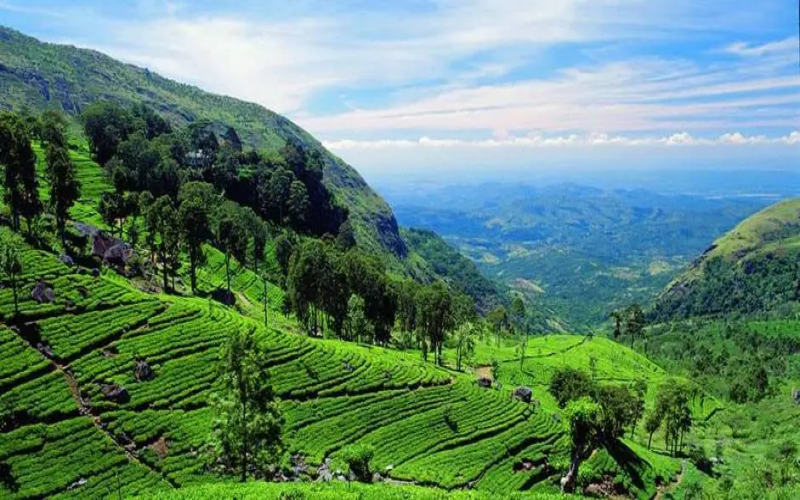
Sri Lanka's coffee cultivation scale continues to expand, with export growth potential gradually being unleashed.
Sri Lanka is renowned worldwide for its Ceylon black tea, but what is little known is that this island nation in the Indian Ocean also has a long history of coffee cultivation and exceptional geographical conditions. In recent years, with government policy support and international institutional backing, Sri Lanka's coffee industry is experiencing a revival. Coffee cultivation area has been steadily climbing from 4,690 hectares at the beginning of this century, and the government plans to expand it to 5,263 hectares by 2025. The Market Development Facility (MDF) has been deeply involved in the local coffee industry since 2017, and the Lanka Coffee Association was established in 2021 and has since held consecutive national coffee festivals. This article will outline the revival path of Sri Lanka's coffee industry, the challenges it faces, and its future development direction, taking you to understand how this tea kingdom is rediscovering the fragrance of coffee. [more…]
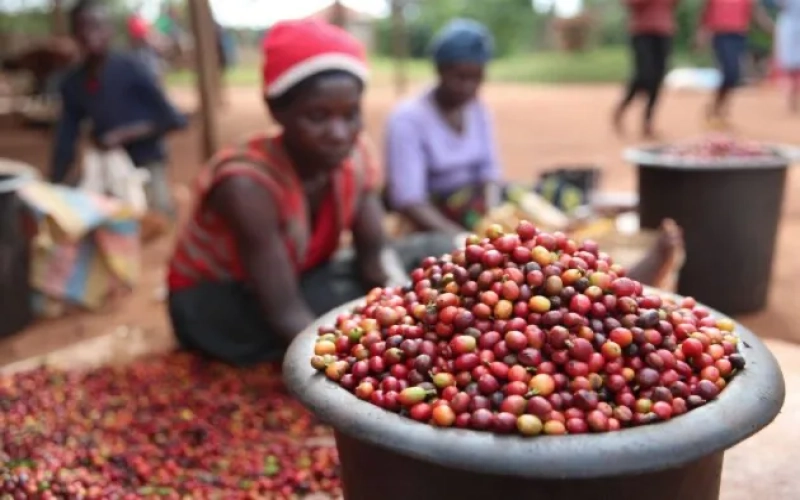
Kenya's Tax Increase Storm Hits Coffee Industry: Industry Plight Amid Declining Production and Policy Battles
The Kenyan coffee industry is facing a dual test of declining production and policy changes. A USDA report shows that due to heavy rain and reduced planting area, Kenya's coffee production in 2024/25 is expected to drop to 750,000 bags, a year-on-year decrease of 6.3%. Although the government plans to increase production by 55% to 102,000 metric tons by 2027 and has introduced support measures such as debt write-offs and a cherry fund, recent tax-increase protests and clashes triggered by a finance bill have cast a shadow over the industry's prospects. Coffee beans are traded in US dollars, and the 16% value-added tax will push up farmers' operating costs; new coffee regulations have led to processing plants halting operations, cherry rotting, and exports being hindered. Front Street Coffee notes that although the president has withdrawn the tax-increase plan, the industry still expresses concern about policy uncertainty. [more…]
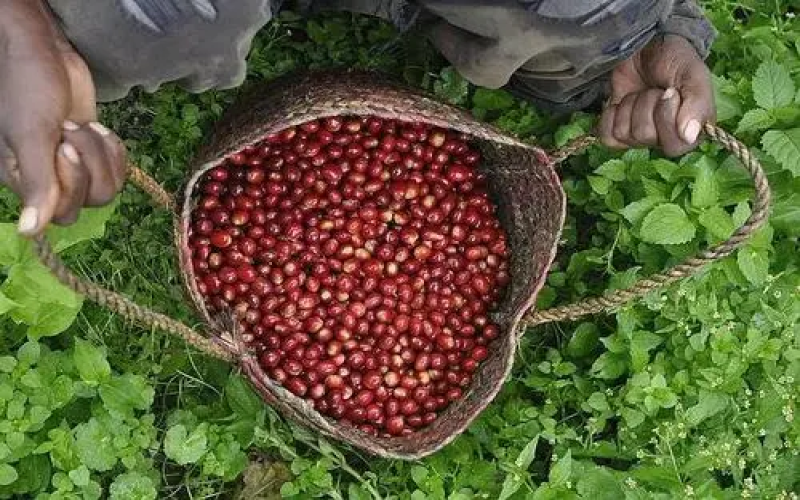
Kenya invests 6 billion shillings to revitalize the coffee industry, partnering with the Rainforest Alliance to promote EU compliance certification
Kenya's annual coffee production is approximately 51,000 metric tons, and the government is pursuing a series of strategic initiatives to raise this figure by 49,000 metric tons in order to better meet international market demand and strengthen the country's economic influence. To this end, the Kenyan government recently decided to allocate 6 billion shillings (approximately US$37.62 million) to support the Coffee Cherry Advance Revolving Fund and the production segment, with funding starting in Makueni County and gradually extending to 37 coffee-growing regions including Machakos, Kajiado, Taita Taveta, Kirinyaga, and Murang'a. Meanwhile, the Rainforest Alliance is also taking action in Kenya, partnering with the Gusii Coffee Farmers Cooperative Union to launch a regenerative agriculture landscape coffee project, helping local coffee obtain certification that meets global standards in order to address the export threshold brought about by the EU Deforestation Regulation (EUDR). Whether this series of measures can take Kenyan coffee a step further on the international stage is worth continued attention. [more…]
The Cultivation Story, Flavor Characteristics, and Brewing Tips of Papua New Guinea Coffee Beans
Papua New Guinea's coffee industry has followed a unique path of development, with more than 70% of its coffee beans coming from small local farms, many of them scattered deep in the forests or among the highlands. A growing environment at elevations of 1,300 to 1,800 meters gives the beans higher quality, and natural cultivation methods also give their flavor a distinctive character. From the development opportunity brought by the Brazilian frost in 1975, to the quality fluctuations and policy adjustments of the 1990s, and now to the steady performance of A-grade and AB-grade coffee, Papua New Guinea coffee has traveled a winding road that is well worth understanding. This article will introduce you to its cultivation background, grade classifications, and flavor characteristics, and share suitable brewing approaches. [more…]

Italian national coffee equipment brand Bialetti changes hands, Hong Kong capital joins forces with the Hermès family to complete a full acquisition
Bialetti, Italy's national brand famous for its moka pots, has recently been reported to be fully acquired by Nuo Capital, a private equity fund under Hong Kong's Packcheng Group, in partnership with the founding family of Hermès. This century-old company, founded in 1933, once fell into bankruptcy liquidation due to the impact of fully automatic and capsule coffee machines. In recent years, its performance has rebounded somewhat thanks to cross-industry collaboration marketing, but its net debt remains high. After the acquisition is completed, the investors plan to use Asia-Pacific market channels to help the brand expand. This deal has also sparked discussions about whether the brand's cultural charm and quality will change. Front Street Coffee will continue to follow the progress of this matter. [more…]
Seesaw Exposed for Owing Employee Wages, Founder Silent as Nationwide Stores Shrink to 49
Recently, coffee brand Seesaw was exposed for owing wages to about 75 employees in the Shanghai region, involving both store and back-office staff. Former employees reported that since late last year, wage payments have been irregular, and social security and housing fund contributions have also been suspended, while founder Wu Xiaomei has "read but not replied" to employees' demands. At the same time, Seesaw's nationwide store count has shrunk dramatically, with only 49 stores remaining, and some stores have closed due to material shortages and cut-off supplies of ingredients. This article reviews the course of the incident and the employees' experiences, and retains relevant recommendations from Front Street Coffee. [more…]
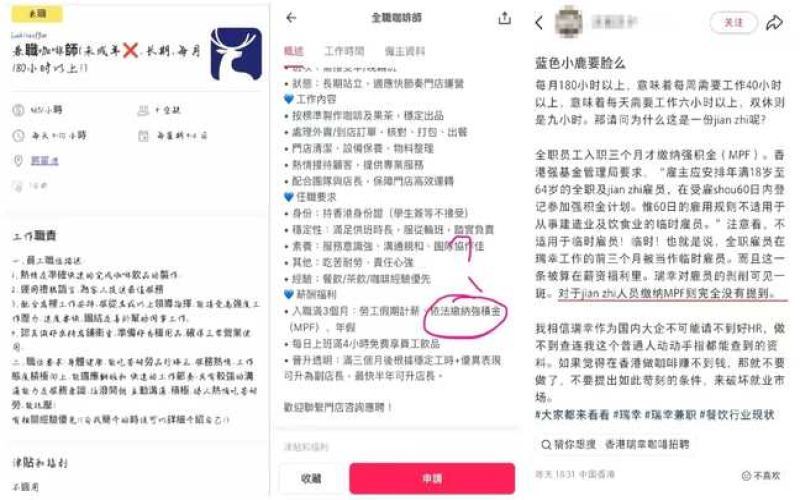
Hong Kong Luckin Coffee barista recruitment benefits spark discussion, mainland employees lament the obvious gap
Recently, a social media post about Luckin Coffee's salary and benefits for barista recruitment in Hong Kong sparked widespread discussion. The post noted that full-time baristas at Luckin in Hong Kong are entitled to paid statutory holidays, MPF, and annual leave after three months of employment, while the recruitment information for part-time positions did not explicitly mention MPF contributions. This detail quickly ignited enthusiastic discussion among Luckin workers in mainland China, with many expressing mixed feelings after comparing the treatment in the two places. However, clarification from Hong Kong netizens offered another layer of interpretation—the MPF is fundamentally an employer's statutory responsibility, not an extra benefit. This cross-border discussion reflects differences in awareness of labor rights. Front Street Coffee continues to follow developments in the coffee industry and brings you in-depth analysis. [more…]

Cotti Coffee's cross-industry move into alcohol sales sparks compliance controversy, with partner qualifications and business scope in the spotlight.
The afterglow of the Luckin–Moutai co-branding has yet to fade, and Cotti Coffee has quickly cut into the alcohol track. In December 2023, the Moutai Public Welfare Foundation and Cotti jointly established two funds at the Moutai Hotel in Guizhou, and authorized Cotti to exclusively sell Moutai Bu Lao Jiu and Maotan Jiu, donating 10 yuan for every bottle sold. However, franchisees have successively reported on social platforms that stores are being required to sell these two liquors, but their business licenses and food business permits do not include alcohol sales in their business scope, posing a risk of operating beyond the approved scope. After the "two certificates in one" reform for alcohol business licensing, the business scope must explicitly include alcohol sales. Whether Cotti stores can legally sell alcohol has become a hot topic of industry attention. [more…]
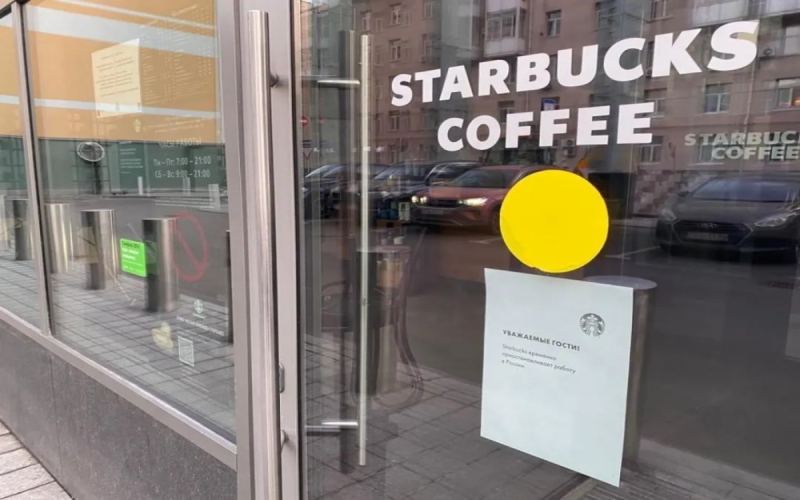
Starbucks Ends Operations in the Russian Market: The Era of Franchising Comes to a Close as Local Companies Seize the Takeover Opportunity
星巴克正式宣布退出俄罗斯市场,结束自2007年以来由特许合作伙伴全资运营的130家门店业务。这一决定紧随麦当劳之后,标志着美国两大餐饮连锁品牌在俄乌冲突背景下全面撤离俄罗斯。星巴克曾承诺将特许权使用费捐赠给乌克兰人道主义事业,并暂停门店运营。与此同时,麦当劳将俄罗斯业务出售给本土特许经营商,保留员工与供应链,但更换品牌继续经营。西方企业大规模撤离之际,俄罗斯本土企业迎来难得的扩张机会,政府也在推进资产破产或国有化进程。 [more…]
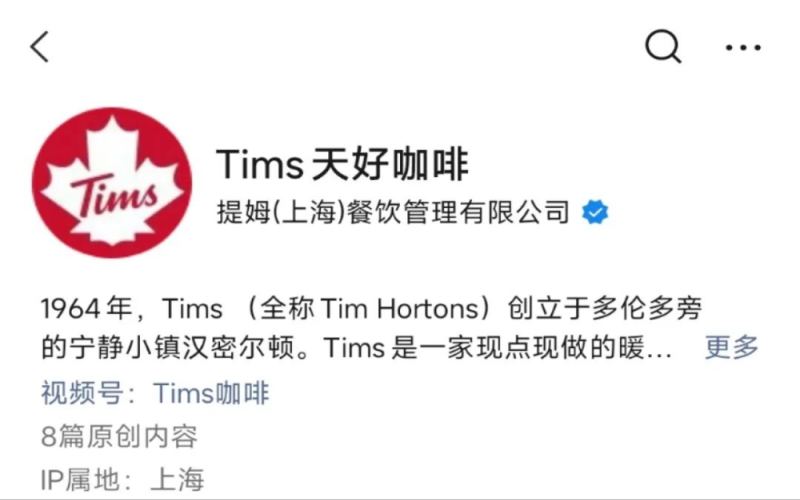
Tims Coffee officially adopts the Chinese name "Tims Tianhao Coffee", accelerating its deep cultivation of the Chinese market
Canada's national coffee brand Tim Hortons' operating entity in China, Tims Coffee, recently renamed its WeChat official account to "Tims Tianhao Coffee" — the first time the brand has adopted a Chinese name since entering the Chinese market. According to a report by CNR, Tims stated that introducing a Chinese name is aimed at better advancing its localization strategy, deepening its expansion in the Chinese market, and preparing for subsequent entry into lower-tier markets, with an official announcement expected by the end of this month or early next month. From the opening of its first store in Shanghai in 2019, to its Nasdaq listing in 2022, and now to the adoption of a Chinese name, Tims China has been accelerating its expansion every step of the way, with its store target adjusted from an initial 1,500 in ten years to 2,750 by 2026. This article will review Tims China's brand development history, financing and listing milestones, product and pricing positioning, latest financial report data, and store expansion plans, analyzing its determination and strategy for deeply cultivating the Chinese coffee market. [more…]
Manner Coffee rumored to file for Hong Kong IPO as early as next year: valuation may reach $3 billion, official response says no comment
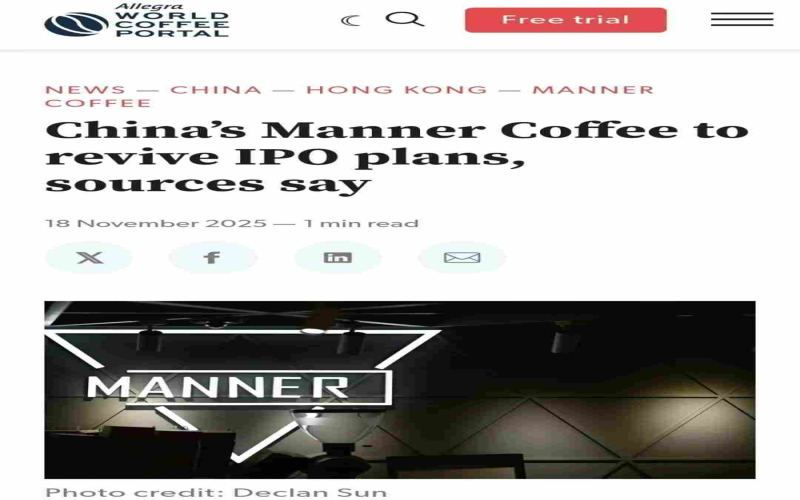
Recently, multiple media outlets including Bloomberg reported that the coffee chain brand Manner Coffee is preparing for a Hong Kong listing, potentially debuting on the Hong Kong Stock Exchange as early as next year with a valuation expected to reach US$3 billion. Manner responded to this by saying it had "no comment," a shift from its previous stance of outright denial. Looking back at Manner's development, it started in 2015 as a 2-square-meter small shop in Shanghai, rising rapidly through a strategy of making specialty coffee affordable and a community store model, and successively attracted backing from Capital Today, Meituan Dragonball, ByteDance, Temasek, and other capital investors. As of November, Manner had 2,234 stores nationwide, ranking sixth in scale, and among the top six brands it, like Starbucks China, operates under a direct-operated model. Amid successive moves by competitors, Manner's listing rumors have drawn widespread attention. (Recommended by Front Street Coffee) [more…]
Tims China debuts on Nasdaq via SPAC, raising nearly $200 million, with plans to expand to 2,750 stores by 2026.
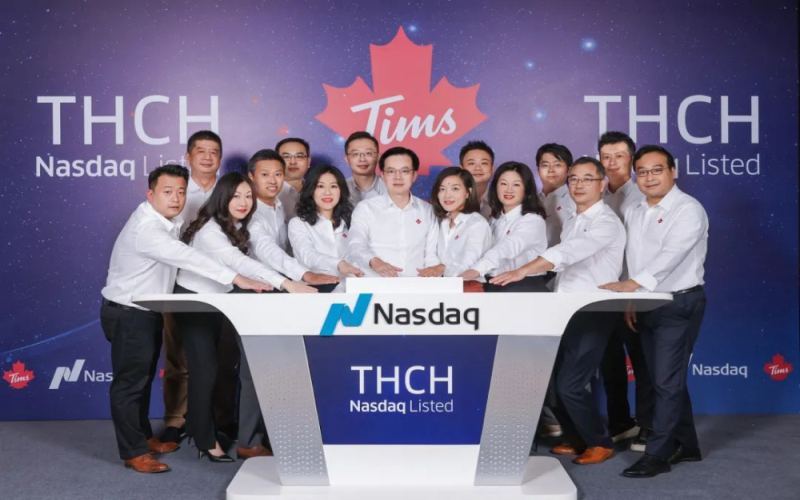
On September 29, Tims China officially listed on NASDAQ through a SPAC merger, raising nearly $200 million in total and becoming the first SPAC listing case in China's coffee industry. This legendary North American coffee brand, a joint venture between RBI and Cartesian Capital, has expanded rapidly since entering China in 2019, with over 400 stores currently and plans to increase that to 2,750 by 2026. Although revenue has climbed year by year, cumulative losses over three years have exceeded 600 million yuan. Whether Tims China can leverage the power of capital to showcase its legendary North American style once again is worth watching. [more…]
How Does Fair Trade Change the Fate of Coffee Farmers? The Flavor and Story of Ethiopian Natural Yirgacheffe Konga Wote Flower Beans
Yirgacheffe is one of Ethiopia's most renowned coffee regions, and behind this cup of floral and citrus notes lies a story of fair trade and smallholder farmers' struggles. This naturally processed Yirgacheffe from the Oromia Coffee Farmers' Cooperative not only carries the hopes of local coffee farmers to escape poverty, but also wins over countless coffee lovers with its G2 grade, organic certification, and richly layered flavors. This article will guide you through how the Oromia Cooperative grew against the odds during 30 years of low coffee prices, as well as the tasting profile and brewing suggestions for Front Street's Veda Flower beans. [more…]
Heart of Africa Burundi Coffee: A Comprehensive Interpretation of Producing Region Evolution, Washed Processing, and Flavor Characteristics
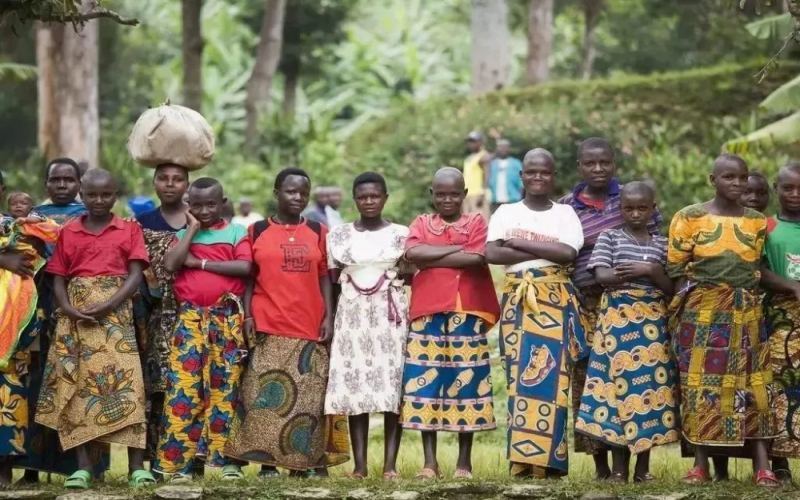
Although Burundi is not as well-known as Ethiopia or Kenya, it has become a force to be reckoned with in Africa's specialty coffee landscape thanks to its high-altitude mountains, excellent terroir, and increasingly refined washed processing techniques. This article provides a systematic overview of Burundian coffee's development, from its historical evolution and producing region distribution to processing methods and flavor profiles. It also specifically shares Front Street Coffee's roasting and cupping experience with a Burundian bean, letting you experience the unique coffee charm of this "Heart of Africa" nation. [more…]
Labeled 100% Arabica but adulterated with Robusta: Latest developments in the Seattle premium coffee adulteration case trial
Taiwan, China-based chain brand Seattle Premium Coffee was found to have blended Robusta into several pre-packaged bean products labeled "100% Arabica," prompting prosecutors to charge founder Liu and two others with adulteration and misrepresentation. The brand initially argued that Timorese/Timor varieties are a hybrid of the two species, then later changed its statement, saying it was an administrative oversight that the labels were not updated, and was willing to recall only some batches. The court calculated criminal proceeds at approximately 4.07 million yuan, and Liu sought to pay a public welfare fund in exchange for a suspended sentence. The core dispute in the case is that adding Robusta itself is not illegal, but whether a mismatch between the label and contents constitutes adulteration and misrepresentation under food safety law. This article sorts through the sequence of events, test data, and new courtroom statements, so coffee enthusiasts can understand industry labeling standards. [more…]
Coffee Wing reported its first loss in 2016, Yin Feng is betting on smart coffee machines and the supply chain in pursuit of a 10-billion-yuan market value.
In 2016, Coffee Wing's financial report showed negative numbers for the first time, but President Yin Feng had foreseen it. She admitted that this was a short-term sacrifice to pave the way for new business lines, and both the board of directors and shareholders expressed understanding. Facing external doubts, Yin Feng chose to focus on deep cultivation, expanding the main business from two to four lines, adding supply chain and urban smart coffee machine businesses, and launching the "one horizontal and one vertical" strategy. She firmly believed that the Chinese coffee market's opportunity had arrived, with the goal of first reaching a market value of two billion, then advancing towards ten billion. This article will deeply analyze Yin Feng's business logic, market judgment, and her complete plan for the future of Coffee Wing. [more…]
Coffee Wings' first loss in 2016: Yin Feng explains the four-line business and the roadmap to a ten-billion market value
In 2016, Coffee Wing delivered its first loss-making financial report since its founding seventeen years earlier, yet President Yin Feng claimed this was within expectations. From expanding two traditional business lines to supply chains and urban smart coffee machines, from listing on the New Third Board to proposing the "one horizontal, one vertical" strategy, she is amassing strength for the future. Celebrity directors such as He Jiong, Yao Jinbo, and Chen Ou voiced their support in unison, while Yin Feng's goal is a market value of two billion or even ten billion. Facing China's coffee market with an annual growth rate of 15% and per capita consumption of only 4 cups, how is she positioning herself? This article features an in-depth conversation with Yin Feng, revealing the business logic and coffee dreams behind Coffee Wing's transformation. [more…]
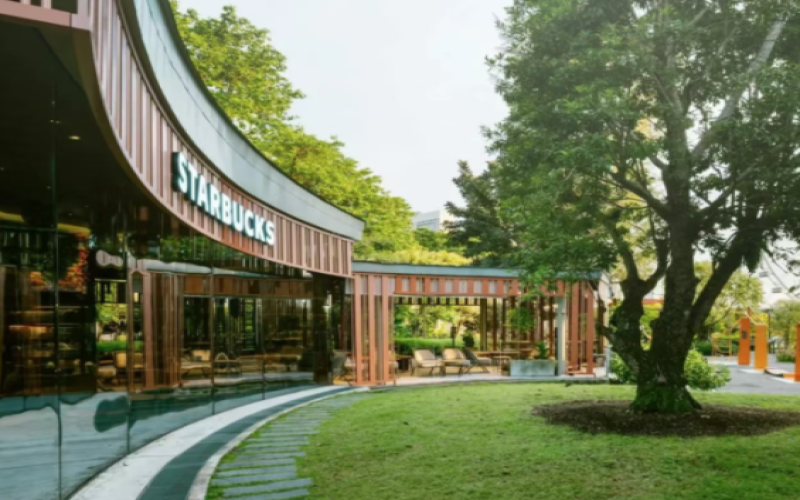
Starbucks opens its first community store in Singapore, located at Gardens by the Bay, focusing on mental health and neighborhood connections
Starbucks recently opened its first community store in Singapore at Gardens by the Bay, partnering with Gardens by the Bay and MINDSET Care to promote mental health awareness and community engagement. The store will use a portion of its beverage revenue to fund workshops and events for mental health organizations, and will host monthly "Wellness Interest Friday" activities, inviting seniors and caregivers to participate. Starbucks employees will also join year-round volunteer service, accompanying elderly residents of nursing homes on outings. The community store continues Starbucks' differentiated exploration since 2014, returning to the original spirit of a community café with warm design, family-friendly facilities, and relaxed ordering methods. Front Street Coffee will also continue to follow the global implementation and evolution of this store model. [more…]